

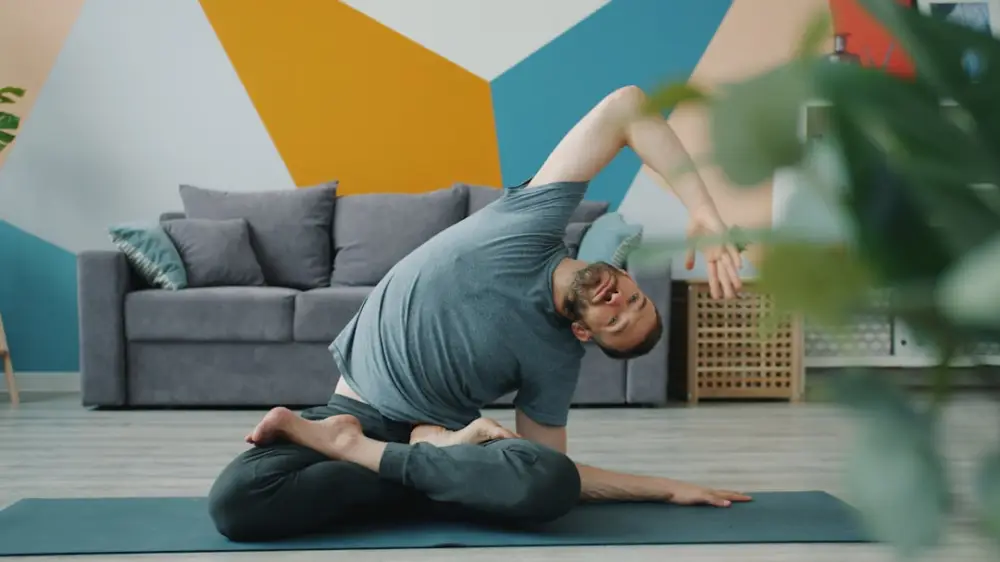
Holistic Recovery for Gamers: A Guide to Digital Longevity
The Shift from the Grind to Sustainable Performance
For years, the narrative in competitive gaming was simple: the more hours you put in, the better you become. This 'grind' culture celebrated 12-hour practice sessions, caffeine-fueled marathons, and a total disregard for physical well-being. However, as the eSports industry matures, we are seeing a subtle but significant pivot. Elite athletes and performance coaches are realizing that digital longevity isn’t built on how hard you can push, but on how well you can recover.
By balancing these recovery habits with disciplined elite training methods, you can ensure your body remains ready for the physical demands of high-level competition.
At Ellevens eSports, we view recovery not as the absence of play, but as an active component of training. To stay at the top of your game for years—rather than months—you must adopt a holistic approach that treats your body and mind as the high-performance machines they are.
Understanding Holistic Recovery for the Modern Gamer
Holistic recovery goes beyond just taking a nap. It involves a 360-degree view of your health, addressing physical strain, cognitive fatigue, and emotional burnout. When we talk about digital longevity, we are talking about maintaining peak reaction times, decision-making clarity, and emotional stability over a career that spans a decade or more.
Active vs. Passive Recovery
Passive recovery is what most gamers do: they stop playing and sit on the couch watching a stream. While this is better than nothing, active recovery is far more effective. Active recovery involves low-intensity movements and deliberate habits that help the body flush out stress hormones and repair muscle tissue (especially in the neck, back, and wrists).
The Essential Pillars of Digital Longevity
To build a foundation for a long-term career, you need to focus on three primary pillars: sleep, nutrition, and mental decompression. These aren't just 'health tips'; they are performance enhancers that directly impact your K/D ratio and tactical awareness.
1. Sleep Hygiene and Circadian Rhythms
Sleep is the ultimate performance-enhancing drug. During deep sleep, your brain flushes out toxins and consolidates the muscle memory you developed during practice. For a gamer, poor sleep equals slower reaction times. To optimize your sleep, try to maintain a consistent schedule, even on weekends. Diminishing blue light exposure an hour before bed—using blue light glasses or software filters—can help your body produce the melatonin needed for restorative rest.
2. Nutritional Support for Cognitive Endurance
What you eat dictates how your brain processes information. High-sugar snacks lead to energy crashes that result in 'tilted' play and poor decision-making. Instead, focus on 'brain foods' like omega-3 fatty acids (found in fish and walnuts), antioxidants, and complex carbohydrates that provide a steady stream of glucose to the brain. Staying hydrated is equally vital; even mild dehydration can reduce focus and increase irritability.
3. Mental Decompression and Stress Management
The mental load of competitive gaming is immense. Constant visual stimulation and high-stakes pressure can keep your nervous system in a state of 'fight or flight.' Holistic recovery includes techniques like box breathing or short meditation sessions to reset your nervous system between matches. This prevents the cumulative stress that leads to burnout.
Actionable Recovery Protocols: Your Daily Checklist
Transitioning to a holistic recovery model doesn't have to happen overnight. Small, practical changes can yield massive results in your energy levels and in-game performance. Here is a simple daily protocol to help you get started:
- The 20-20-20 Rule: Every 20 minutes, look at something 20 feet away for 20 seconds to reduce digital eye strain.
- Post-Match Movement: After every match, stand up and stretch for two minutes. Focus on your hip flexors, chest, and wrists.
- Hydration Baseline: Drink at least 500ml of water for every two hours of gameplay.
- The 'Shut Down' Sequence: Create a 15-minute routine to end your day. This might include light stretching, journaling about your wins/losses, and turning off all gaming monitors.
- Sunlight Exposure: Get at least 10 minutes of natural sunlight in the morning to regulate your internal clock.
Implementing a 'Shut Down' Sequence
One of the most effective ways to ensure digital longevity is to create a hard boundary between your 'gaming self' and your 'rested self.' A shut-down sequence signals to your brain that the high-stress environment of competition is over. This could be as simple as tidying your desk, closing all applications, and physically leaving the room where you play. This psychological 'unplugging' is essential for preventing the mental fatigue that makes the next day's practice feel like a chore.
Long-Term Thinking in a Fast-Paced World
The goal of holistic recovery is to ensure that you are just as capable a player at age 28 as you were at 18. By respecting your body’s need for movement, nutrition, and rest, you aren't just avoiding injury—you are optimizing your brain for the highest levels of competition. Digital longevity is a marathon, not a sprint. Start treating your recovery with the same discipline you bring to your aim training, and the results will speak for themselves.

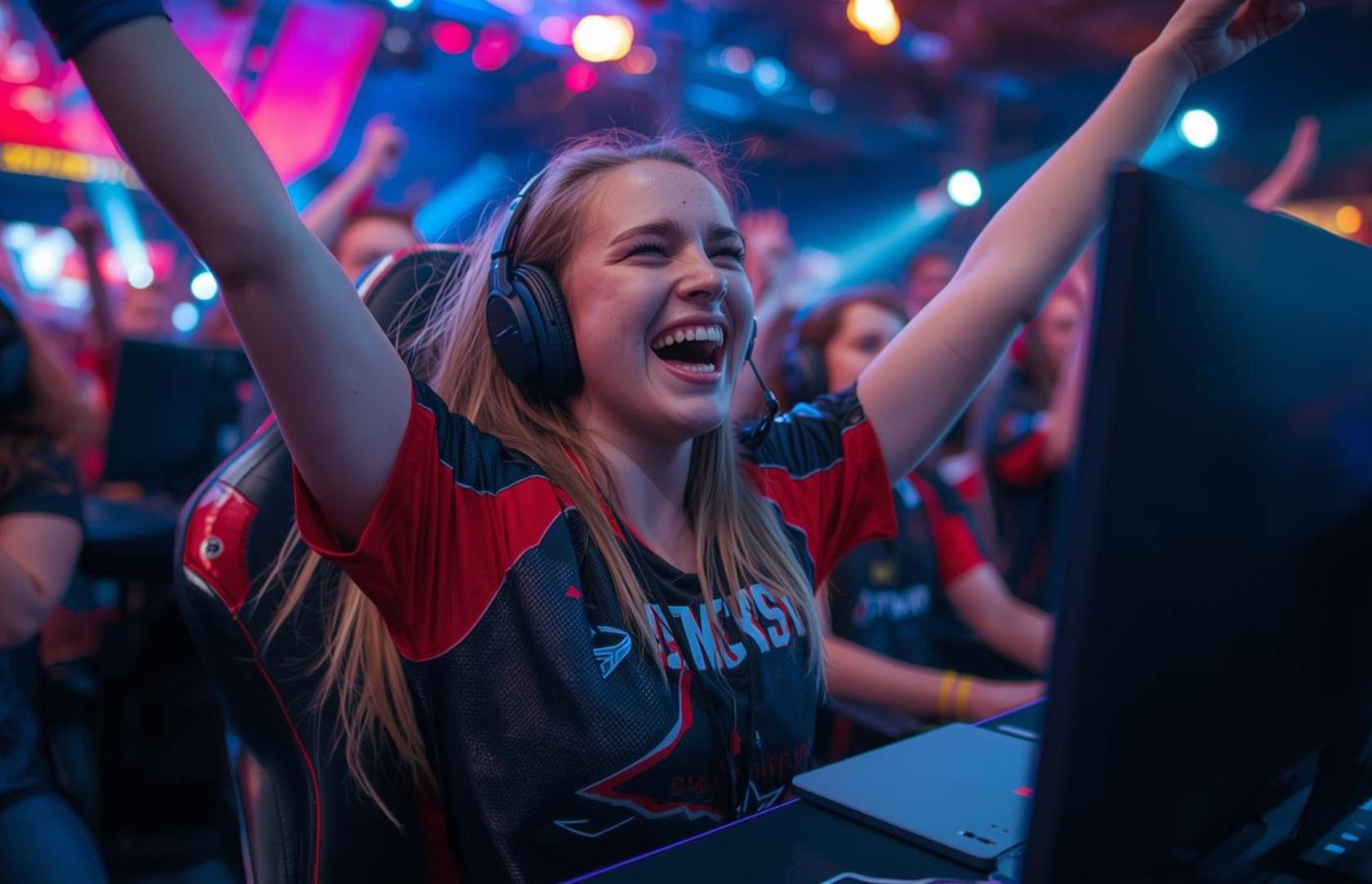
Building the Future of Competitive Gaming: The Ellevens Standard
In a world where digital competition grows faster than ever, Ellevens eSports stands as a benchmark for what excellence in gaming truly means. Beyond the excitement of tournaments and global recognition, the organization is quietly shaping the future of competitive gaming—through innovation, discipline, and an unrelenting commitment to standards that redefine the industry.
This is more than gaming; it’s the evolution of professionalism in a digital sport.
1. Setting the Benchmark for Professional Excellence
Ellevens eSports has built its foundation on the belief that talent alone isn’t enough.
Every player, coach, and strategist operates under a performance-first philosophy that mirrors elite athletic programs.
Structured practice routines, analytics-driven evaluations, and mental resilience programs ensure players aren’t just skilled—they’re consistent, adaptable, and battle-ready.
This structured, results-oriented culture is what many now call “The Ellevens Standard.”
2. Innovation Through Data and Technology
What separates good teams from great ones in eSports often comes down to information.
Ellevens integrates AI analytics, real-time performance tracking, and strategic simulations to fine-tune decision-making. Every click, reaction, and tactical choice is measured and reviewed for optimization.
By turning raw data into actionable insight, Ellevens has elevated game intelligence into a form of science—allowing its athletes to stay ahead of evolving meta shifts and unpredictable opponents.
3. Investing in Mental and Physical Fitness
The best eSports organizations now understand that mental endurance equals mechanical precision.
Ellevens invests in sports psychology, meditation training, and fitness programs designed to sustain focus under pressure.
The result? Teams that perform at their peak not only at the start of a tournament but through the final rounds when fatigue sets in.
By treating players as high-performance athletes rather than just gamers, Ellevens continues to redefine what professional readiness looks like in eSports.
4. Cultivating Global Talent and Diversity
Ellevens’ approach to recruitment and team development reaches beyond borders.
By fostering a diverse talent pipeline, they bring together players with different playstyles, perspectives, and cultural insights.
This mix fuels creativity, adaptability, and team synergy—a critical advantage in international tournaments where unpredictability reigns.
Global diversity isn’t just representation—it’s strategy.
5. Leadership, Culture, and Long-Term Vision
At its core, the Ellevens philosophy centers on integrity, discipline, and collaboration.
Leadership within the organization emphasizes mentorship over micromanagement, ensuring players grow both professionally and personally.
With a long-term view, Ellevens is not only competing for trophies but also building frameworks for sustainable careers within the gaming ecosystem—something few organizations truly achieve.
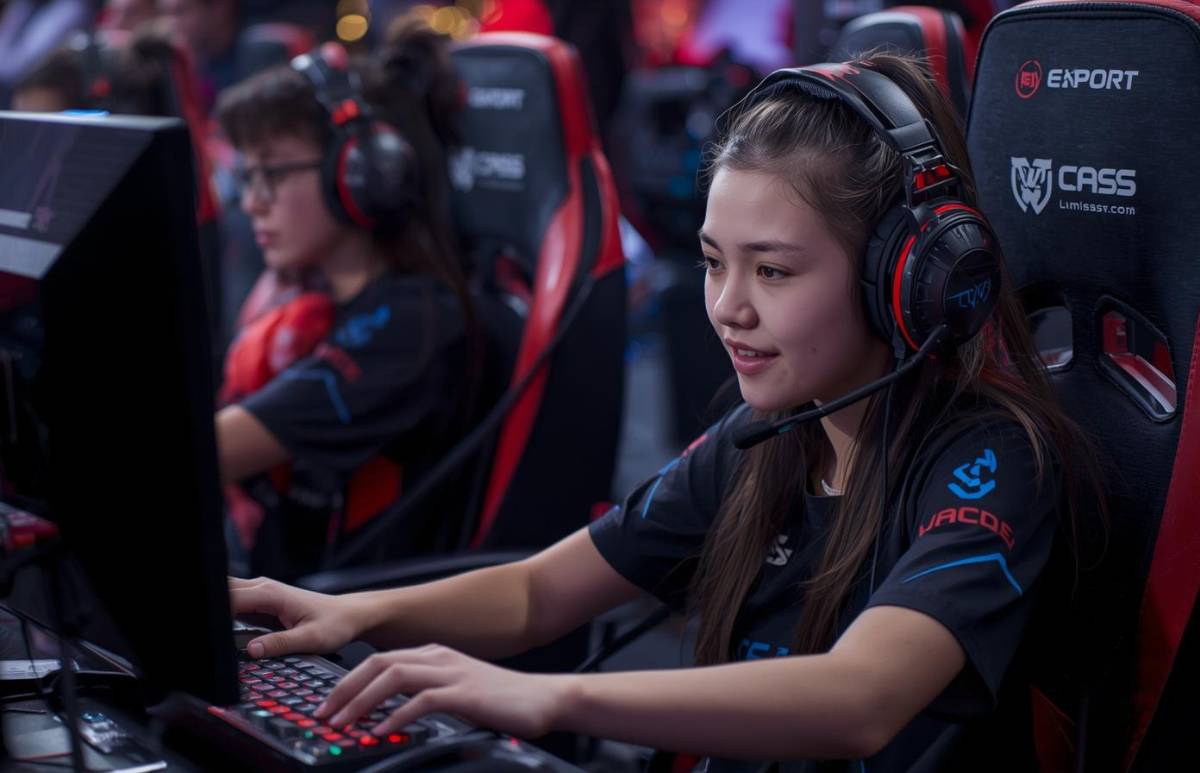
6. Beyond the Game: Expanding the Esports Ecosystem
The Ellevens Standard extends far beyond competition.
By collaborating with educational programs, sponsors, and community initiatives, Ellevens is actively contributing to the growth and legitimacy of eSports as a career path.
From grassroots tournaments to talent academies, their influence helps bridge the gap between passion and profession for the next generation of gamers.
Conclusion: Raising the Bar for the Next Generation
Ellevens eSports is not just participating in the evolution of gaming—it’s leading it.
By combining structure, technology, and human performance science, the organization has created a blueprint that others now strive to emulate.
The Ellevens Standard represents the future of eSports—disciplined, data-driven, and dedicated to excellence at every level.
In a fast-changing world of digital competition, that standard isn’t just an advantage—it’s the future.
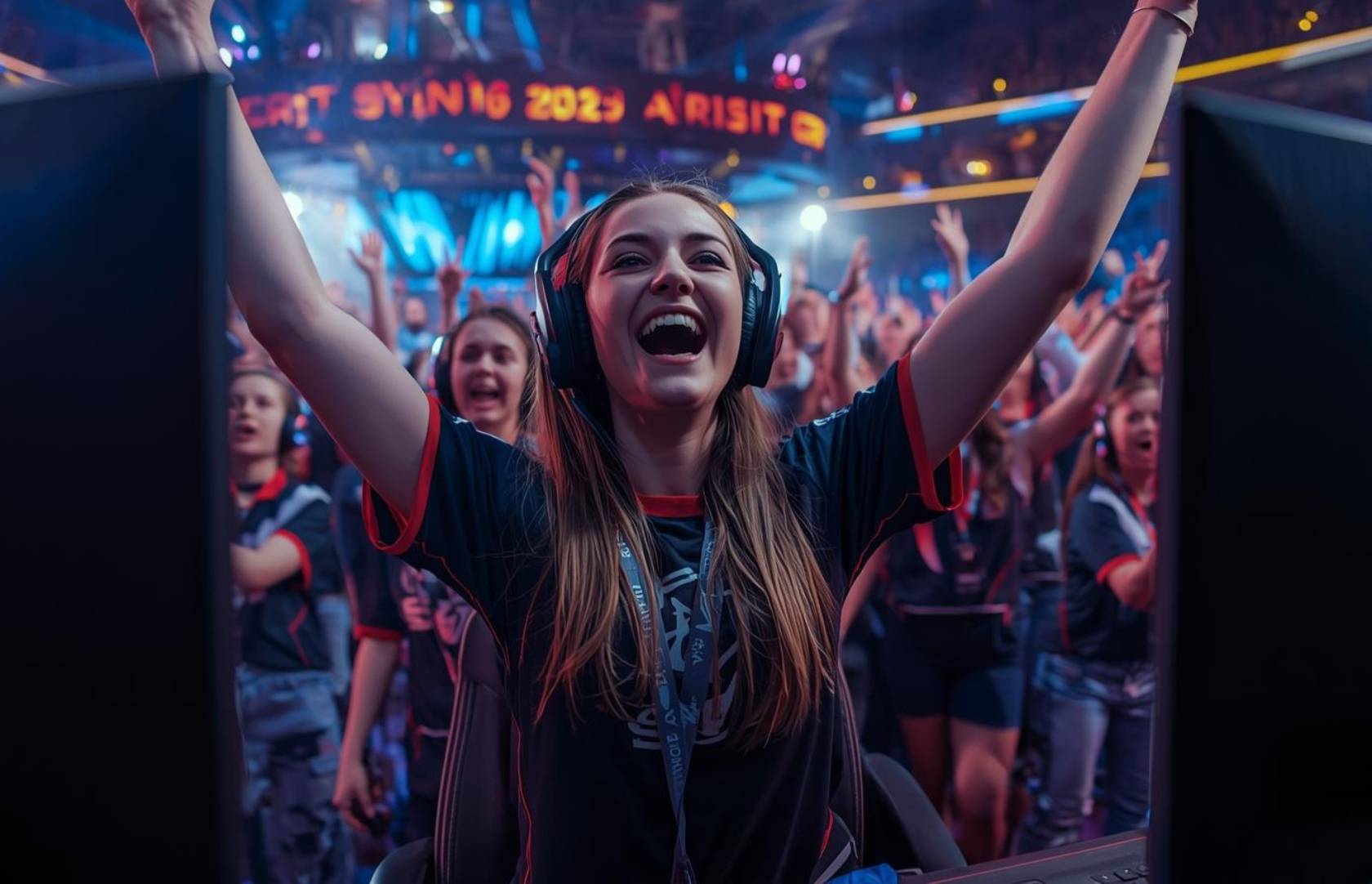
Training for Victory: How Elite eSports Athletes Prepare for Competition
In the high-stakes world of eSports, excellence doesn’t happen by chance. Behind every highlight reel, clutch play, and championship win lies a carefully engineered training system built around precision, discipline, and science.
Elite eSports athletes approach their craft with the same rigor as Olympic competitors—balancing mental endurance, physical conditioning, and strategic mastery to stay at the top of their game.
Here’s how professionals train for victory in a field where milliseconds separate winners from the rest.
1. Building a Professional Routine
Top players treat eSports like a full-time job—and then some.
Training sessions can run 6 to 10 hours per day, divided into segments for mechanical drills, scrimmages, tactical reviews, and team meetings.
Schedules are carefully structured to prevent burnout, allowing time for breaks, nutrition, and mental reset. The focus is not just on practice quantity, but quality, ensuring every session targets measurable performance gains.
2. Game Knowledge and Tactical Mastery
eSports champions are students of the game before they’re masters of it.
They spend hours analyzing maps, patch updates, and opponent playstyles to anticipate trends and counter-strategies.
Video reviews—once used only by traditional sports—are now standard in competitive gaming. Teams dissect replays to identify weaknesses, adjust formations, and perfect micro and macro decision-making.
Knowledge is power, and in eSports, it’s the foundation of dominance.
3. The Role of Coaching and Data Analytics
Every elite eSports team relies on data-driven coaching.
Performance analysts track reaction times, aim precision, movement patterns, and in-game choices to uncover patterns invisible to the naked eye.
AI tools and analytics dashboards translate these metrics into actionable feedback, helping players refine everything from mouse sensitivity to team rotation timing.
With this level of insight, training becomes a science—not a guess.
4. Mental Conditioning and Focus Training
Mental strength often determines who wins when skill levels are even.
Elite players work with sports psychologists to develop focus, emotional regulation, and resilience.
Meditation, visualization, and breathing exercises are used to keep calm during intense tournaments.
The goal is to create a “flow state”—a zone of total concentration where reactions feel instinctive, and confidence fuels precision.
In eSports, mental control isn’t optional—it’s the secret weapon.
5. Physical Preparation and Ergonomic Discipline
While gaming may seem sedentary, professional eSports athletes rely on fine motor coordination and endurance.
Regular fitness routines—including cardio, stretching, and hand–eye coordination drills—help sustain long hours of competition.
Ergonomics also plays a vital role. Proper posture, lighting, and peripheral setups reduce fatigue and prevent injuries like carpal tunnel syndrome, ensuring longevity in a demanding career.
6. Team Synergy and Communication Drills
No amount of individual talent can replace strong teamwork.
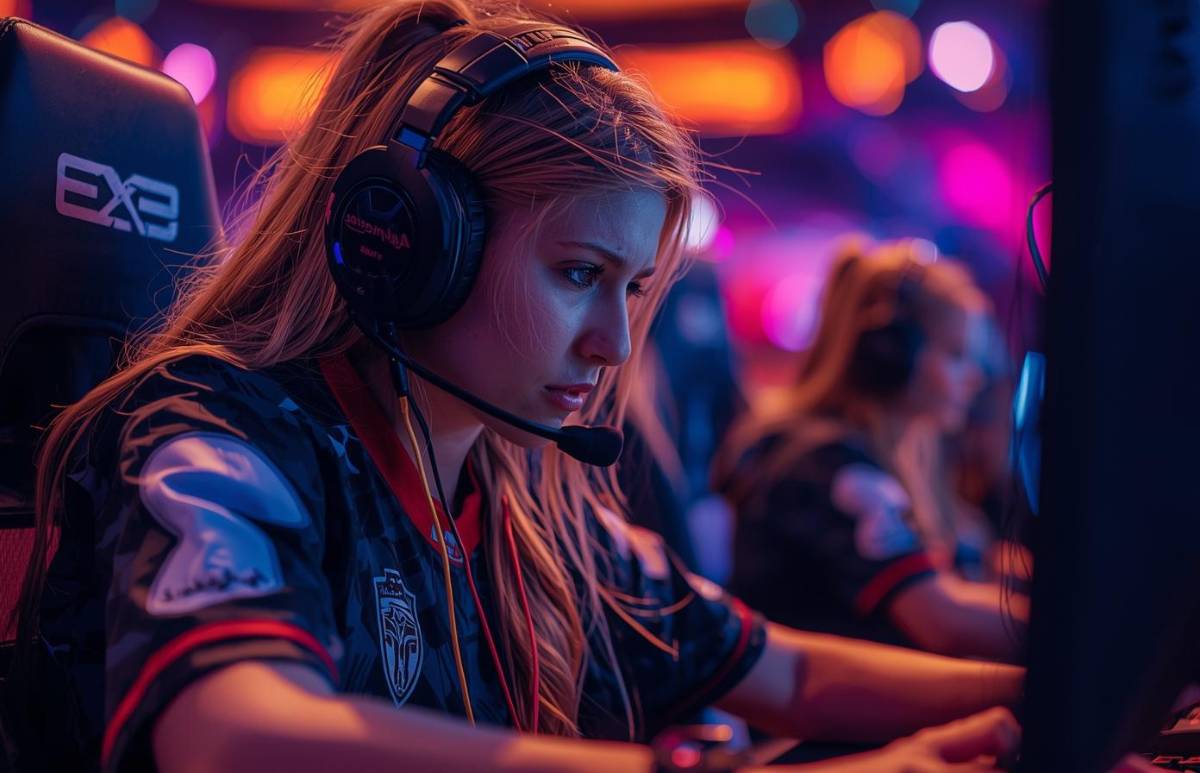
Elite teams invest significant time in communication drills, trust-building exercises, and leadership development.
Every call, every cue, every rotation is practiced until it becomes second nature.
Great teams operate with instinctive cohesion—knowing what each player will do before they even act.
That level of chemistry isn’t luck; it’s engineered through repetition, respect, and relentless collaboration.
7. Rest, Recovery, and Balance
Sustainable success requires balance.
Professional eSports organizations now prioritize sleep optimization, nutrition plans, and downtime to prevent burnout.
Sleep deprivation alone can slow reaction time by up to 20%, making rest a competitive necessity, not a luxury.
Recovery days, mindfulness breaks, and non-gaming hobbies all contribute to sharper focus and longer careers.
Conclusion: Precision, Preparation, and the Pursuit of Perfection
Victory in eSports is earned long before the match begins.
It’s the product of discipline, strategic planning, and continuous refinement.
From brain training to biomechanics, today’s top players are more than gamers—they’re high-performance athletes redefining the future of competition.
Because in eSports, the path to victory isn’t about chance—it’s about preparation.
Beyond Reaction Time: The Science Behind eSports Performance
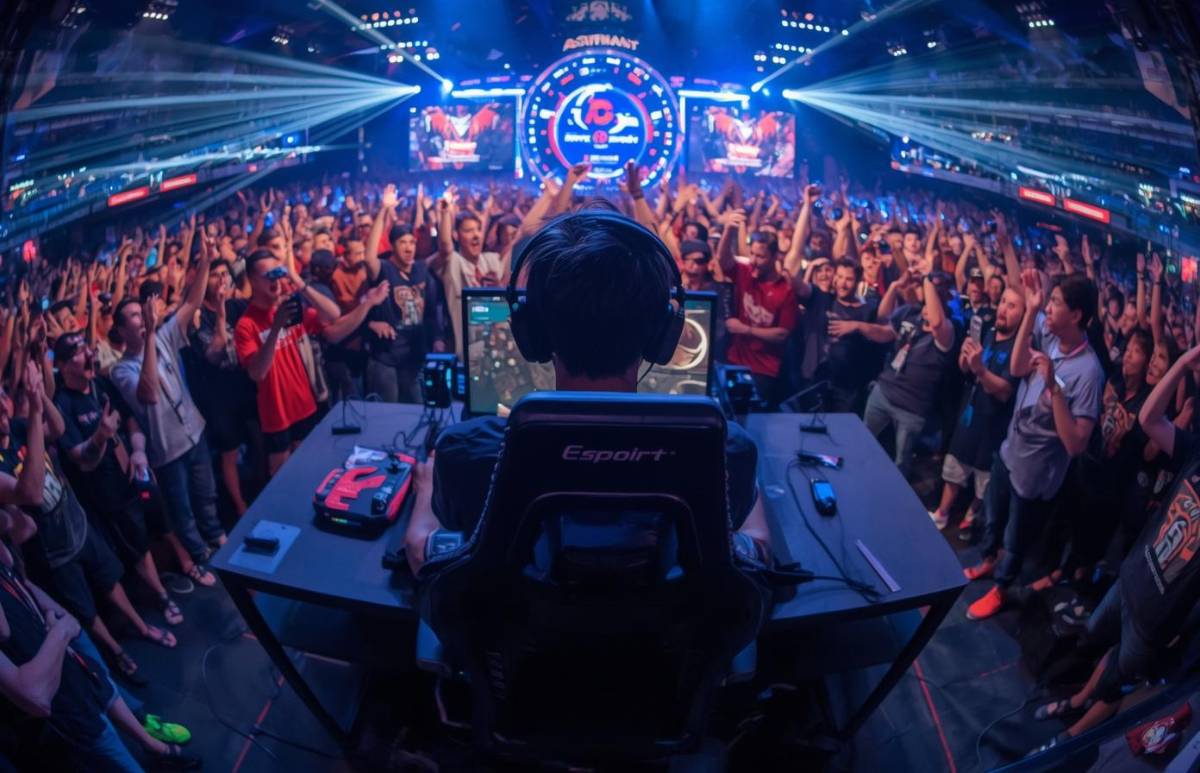
Competitive gaming is no longer a casual pastime—it’s a discipline that merges psychology, physiology, and technology. In the world of eSports, where milliseconds define victory, success goes far beyond fast reflexes.
It’s a science built on data, mental conditioning, and strategic precision. The best players don’t just react—they anticipate, adapt, and optimize their entire environment for peak performance.
Let’s uncover the real science driving today’s elite eSports athletes.
1. The Cognitive Edge: More Than Reflexes
Reaction time is only one piece of the puzzle.
Top-tier players rely heavily on cognitive flexibility—the ability to shift focus rapidly between multiple stimuli while maintaining accuracy.
In fast-paced titles like Valorant, FIFA, or Call of Duty, split-second decisions depend on sustained attention and memory recall.
Studies show professional gamers process visual information up to 20% faster than the average person, but what truly sets them apart is pattern recognition. They don’t just respond—they predict.
2. The Role of Neuroscience in Competitive Gaming
The modern eSports athlete’s training routine increasingly borrows from neuroscience and cognitive psychology.
Tools like EEG headsets, brain-training platforms, and neurofeedback systems help measure and improve reaction efficiency, focus duration, and emotional regulation.
By understanding brain activity during competition, coaches can tailor training programs to enhance mental stamina and decision-making accuracy, helping players stay sharp under high-stress conditions.
3. Physical Fitness: The Overlooked Foundation
Despite the sedentary stereotype, professional gamers treat their physical conditioning seriously.
Fine motor control, posture, and endurance directly affect performance.
Players now integrate cardiovascular exercise, hand–eye coordination drills, and ergonomic optimization into their daily routines.
A strong body supports a strong mind—reducing fatigue, sharpening concentration, and preventing injuries like wrist strain or eye fatigue that can end careers prematurely.
4. Nutrition and Sleep: The Performance Multipliers
Elite performance isn’t sustainable without recovery.
Nutrition and sleep have emerged as key differentiators among eSports professionals.
Caffeine and energy drinks offer temporary boosts, but real endurance comes from balanced diets rich in omega-3s, antioxidants, and proper hydration.
Equally critical is sleep quality. Studies show even minor sleep deprivation can reduce reaction time by 10% and impair decision-making, turning small lapses into game-losing mistakes.
5. Data Analytics and Performance Optimization
Technology drives eSports performance just as much as raw skill.
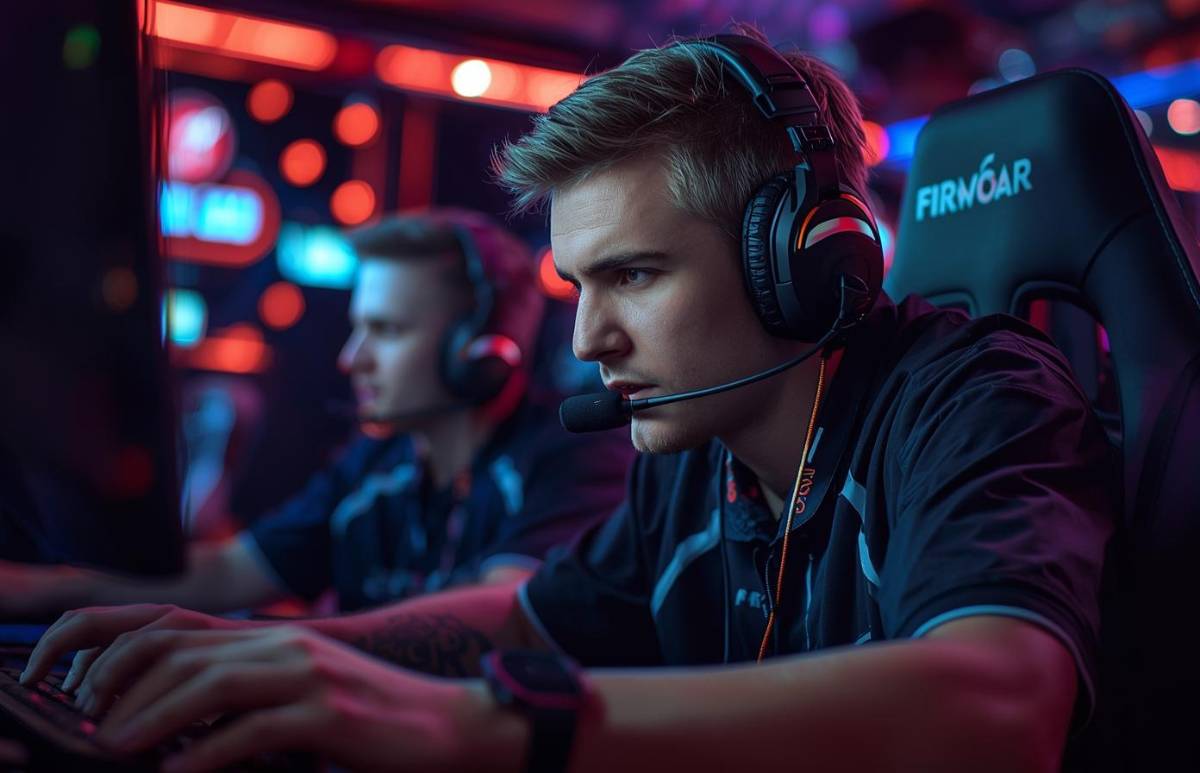
Advanced analytics track in-game behavior—accuracy rates, heatmaps, movement efficiency—to identify micro-adjustments that refine gameplay strategy.
AI-powered tools now help teams analyze opponents’ habits and anticipate tactical shifts, transforming training from repetition into scientific precision.
The result? Players who think faster, react smarter, and execute with surgical consistency.
6. Mental Health and Emotional Control
Pressure defines eSports.
From massive tournament crowds to online scrutiny, the psychological toll is immense.
That’s why sports psychologists have become integral to most professional teams, helping players build resilience, focus, and composure under pressure.
Mindfulness training, controlled breathing, and visualization techniques are now as essential as any physical drill—helping athletes perform at their peak, even in chaotic environments.
7. The Future of Performance Science in eSports
As eSports matures, the line between athlete and scientist continues to blur.
Biometric sensors, eye-tracking systems, and AI-driven coaching will redefine how teams measure and enhance performance.
Future champions won’t just rely on talent—they’ll use science to engineer consistency, adaptability, and long-term excellence.
In competitive gaming, the smallest edge can decide everything.
Understanding the science behind performance isn’t just useful—it’s essential.