
The Shift from the Grind to Sustainable Performance
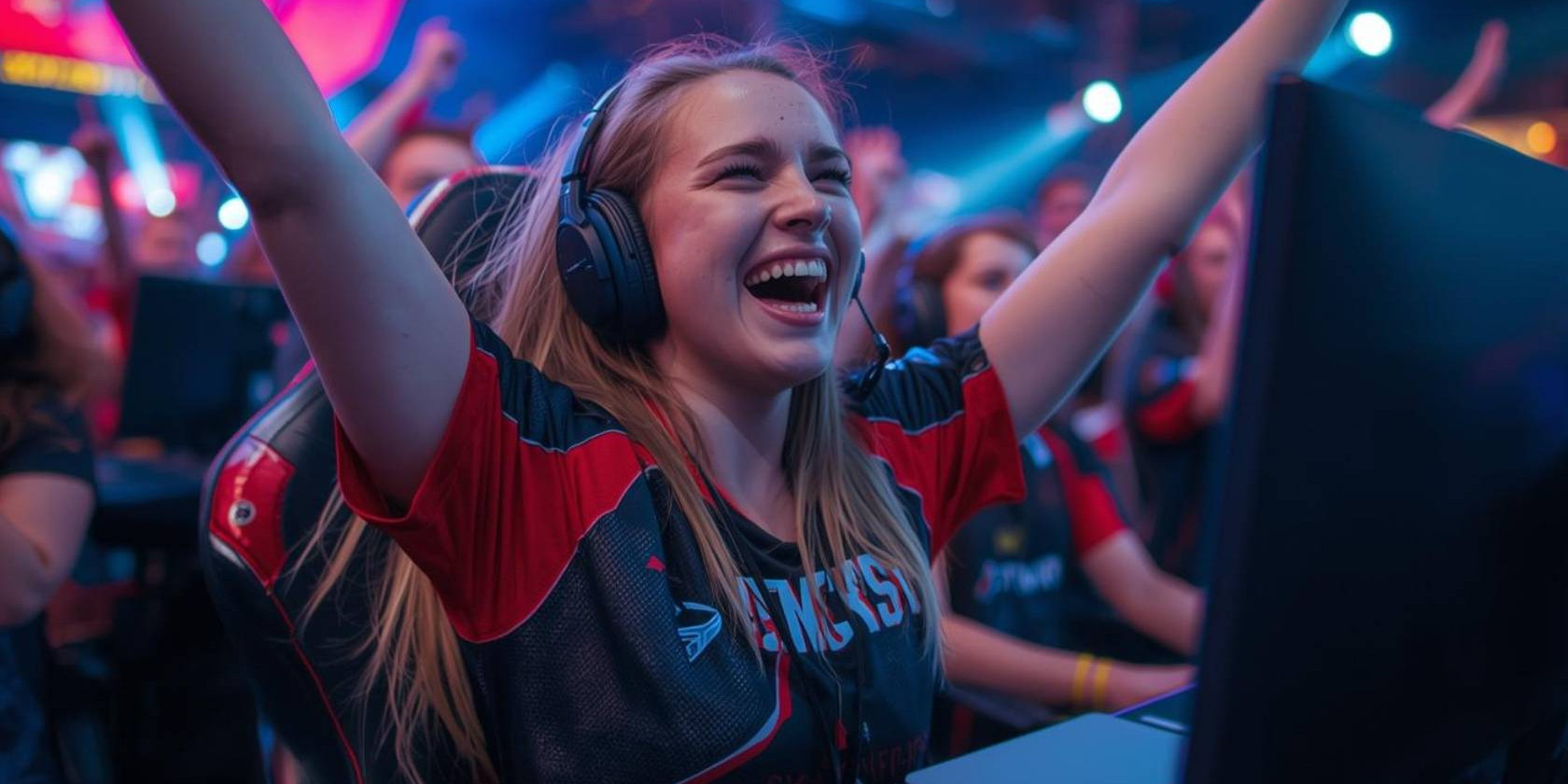
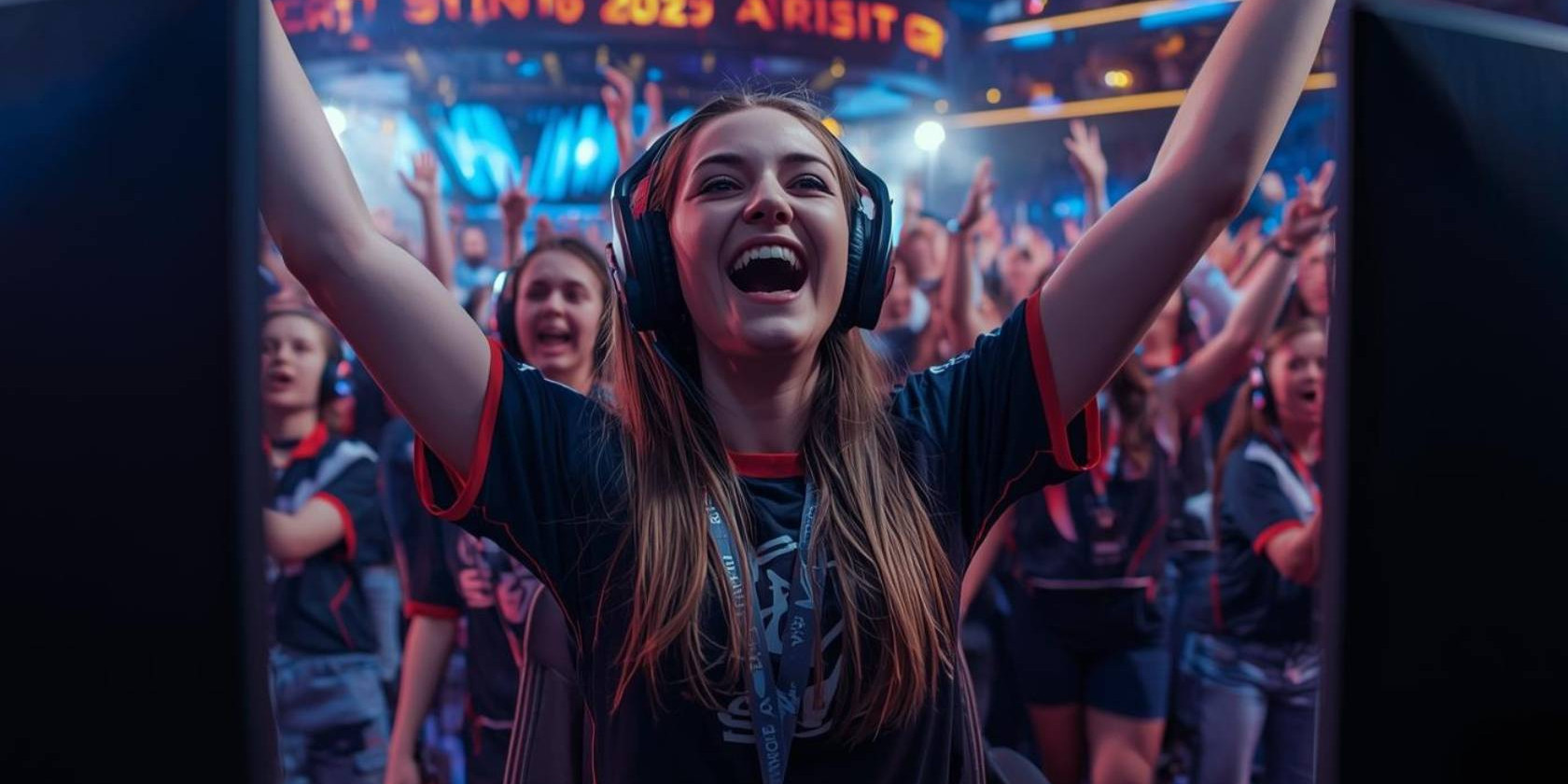
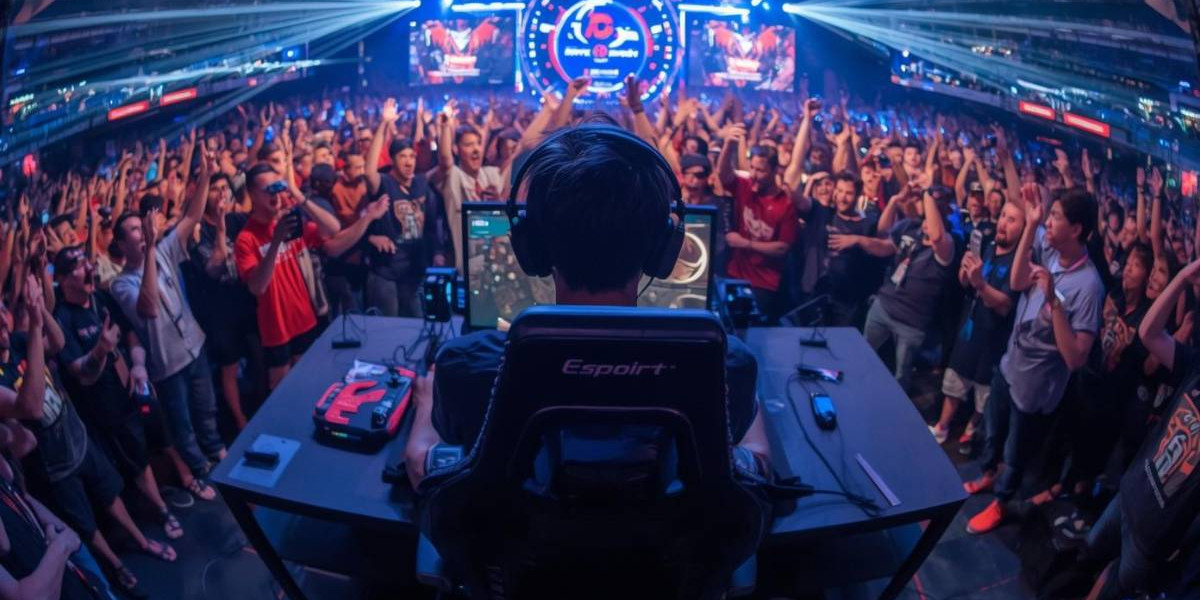
For years, the narrative in competitive gaming was simple: the more hours you put in, the better you become. This ‘grind’ culture celebrated 12-hour practice sessions, caffeine-fueled marathons, and a total disregard for physical well-being. However, as the eSports industry matures, we are seeing a subtle but significant pivot. Elite athletes and performance coaches are realizing that digital longevity isn’t built on how hard you can push, but on how well you can recover.
By balancing these recovery habits with disciplined elite training methods, you can ensure your body remains ready for the physical demands of high-level competition.
At Ellevens eSports, we view recovery not as the absence of play, but as an active component of training. To stay at the top of your game for years—rather than months—you must adopt a holistic approach that treats your body and mind as the high-performance machines they are.
Understanding Holistic Recovery for the Modern Gamer
Holistic recovery goes beyond just taking a nap. It involves a 360-degree view of your health, addressing physical strain, cognitive fatigue, and emotional burnout. When we talk about digital longevity, we are talking about maintaining peak reaction times, decision-making clarity, and emotional stability over a career that spans a decade or more.
Active vs. Passive Recovery
Passive recovery is what most gamers do: they stop playing and sit on the couch watching a stream. While this is better than nothing, active recovery is far more effective. Active recovery involves low-intensity movements and deliberate habits that help the body flush out stress hormones and repair muscle tissue (especially in the neck, back, and wrists).
The Essential Pillars of Digital Longevity
To build a foundation for a long-term career, you need to focus on three primary pillars: sleep, nutrition, and mental decompression. These aren’t just ‘health tips’; they are performance enhancers that directly impact your K/D ratio and tactical awareness.
1. Sleep Hygiene and Circadian Rhythms
Sleep is the ultimate performance-enhancing drug. During deep sleep, your brain flushes out toxins and consolidates the muscle memory you developed during practice. For a gamer, poor sleep equals slower reaction times. To optimize your sleep, try to maintain a consistent schedule, even on weekends. Diminishing blue light exposure an hour before bed—using blue light glasses or software filters—can help your body produce the melatonin needed for restorative rest.
2. Nutritional Support for Cognitive Endurance
What you eat dictates how your brain processes information. High-sugar snacks lead to energy crashes that result in ’tilted’ play and poor decision-making. Instead, focus on ‘brain foods’ like omega-3 fatty acids (found in fish and walnuts), antioxidants, and complex carbohydrates that provide a steady stream of glucose to the brain. Staying hydrated is equally vital; even mild dehydration can reduce focus and increase irritability.
3. Mental Decompression and Stress Management
The mental load of competitive gaming is immense. Constant visual stimulation and high-stakes pressure can keep your nervous system in a state of ‘fight or flight.’ Holistic recovery includes techniques like box breathing or short meditation sessions to reset your nervous system between matches. This prevents the cumulative stress that leads to burnout.
Actionable Recovery Protocols: Your Daily Checklist
Transitioning to a holistic recovery model doesn’t have to happen overnight. Small, practical changes can yield massive results in your energy levels and in-game performance. Here is a simple daily protocol to help you get started:
- The 20-20-20 Rule: Every 20 minutes, look at something 20 feet away for 20 seconds to reduce digital eye strain.
- Post-Match Movement: After every match, stand up and stretch for two minutes. Focus on your hip flexors, chest, and wrists.
- Hydration Baseline: Drink at least 500ml of water for every two hours of gameplay.
- The ‘Shut Down’ Sequence: Create a 15-minute routine to end your day. This might include light stretching, journaling about your wins/losses, and turning off all gaming monitors.
- Sunlight Exposure: Get at least 10 minutes of natural sunlight in the morning to regulate your internal clock.
Implementing a ‘Shut Down’ Sequence
One of the most effective ways to ensure digital longevity is to create a hard boundary between your ‘gaming self’ and your ‘rested self.’ A shut-down sequence signals to your brain that the high-stress environment of competition is over. This could be as simple as tidying your desk, closing all applications, and physically leaving the room where you play. This psychological ‘unplugging’ is essential for preventing the mental fatigue that makes the next day’s practice feel like a chore.
Long-Term Thinking in a Fast-Paced World
The goal of holistic recovery is to ensure that you are just as capable a player at age 28 as you were at 18. By respecting your body’s need for movement, nutrition, and rest, you aren’t just avoiding injury—you are optimizing your brain for the highest levels of competition. Digital longevity is a marathon, not a sprint. Start treating your recovery with the same discipline you bring to your aim training, and the results will speak for themselves.