
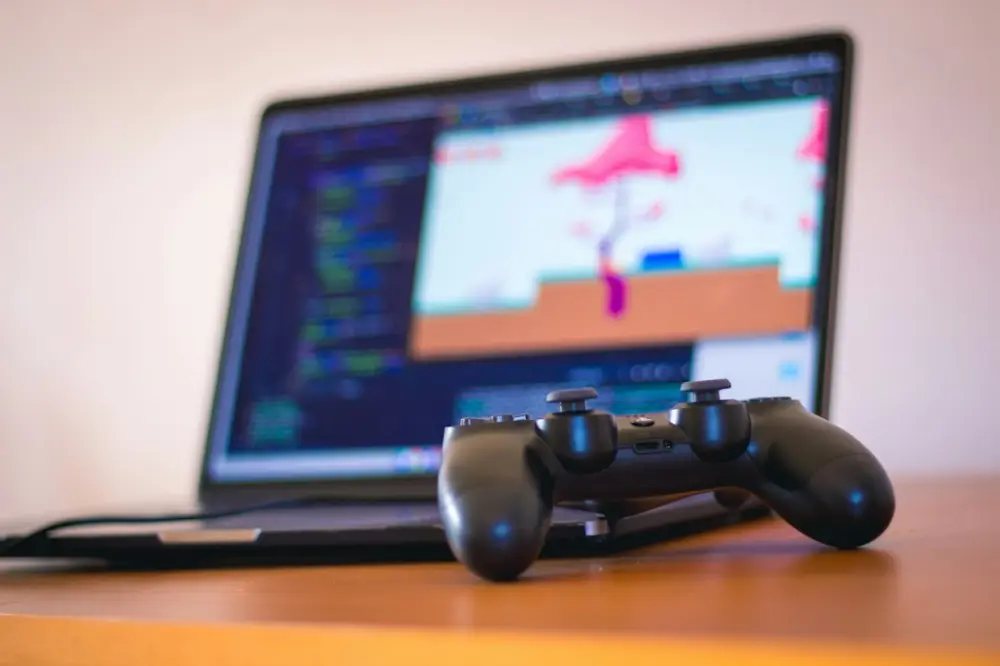
Balancing gaming practice and everyday life involves managing your time so that competitive play or hobby gaming doesn't interfere with physical health, social relationships, work, or education. It requires setting intentional boundaries, prioritizing real-world responsibilities, and maintaining a healthy lifestyle to ensure that gaming remains a positive and sustainable part of your daily routine in 2026.
Treat sessions like training blocks: set a hard stop, log ranked time separately, and take breaks before reaction speed drops. Short, focused practice protects work, sleep, and relationships.
Defining the Balance Between Gaming and Real Life
Balance is not a 50/50 split of your hours; it is the ability to engage in high-intensity practice without compromising the pillars of your physical and mental stability. In competitive gaming, the law of diminishing returns is often ignored. After four or five hours of continuous play, reaction times slow and decision-making degrades. A balanced player recognizes when they have reached this threshold and steps away to recharge.
Consider a tactical shooter player who allocates specific hours for VOD reviews and aim training rather than playing ranked matches until 3:00 AM. By treating gaming as a performance-based activity rather than a way to pass time, they preserve their energy for other life necessities, such as career development or family obligations. This distinction between "grinding" and "deliberate practice" is what separates sustainable careers from short-lived hobbyist burnout.
How to Set Effective Time Limits for Practice
Setting boundaries requires more than just a mental note; it requires a structured system that accounts for your daily energy levels and external commitments. To maintain peak performance in 2026, you should treat your practice schedule with the same professional rigor as a work shift or a gym routine.
- Audit your current usage: Use digital wellbeing tools or simple time-tracking software to see exactly how many hours are spent in-game versus in menus or lobbies.
- Define your "hard stop" time: Determine a time each night when all screens must be turned off to allow your circadian rhythm to stabilize.
- Segment your sessions: Break practice into 90-minute blocks. High-intensity focus is difficult to maintain beyond this window.
- Schedule non-gaming blocks first: Fill your calendar with work, exercise, and social meals before slotting in practice sessions.
- Use external cues: Set a physical alarm across the room that forces you to stand up and move when a session concludes.
Prioritizing Daily Responsibilities Over In-Game Tasks
It is easy to let the immediate feedback loop of a video game—leveling up, gaining rank, or completing daily quests—overshadow the slower, more complex rewards of real-life responsibilities. However, neglecting these duties creates a background of stress that eventually leaks into your gaming performance. If you are worried about an unfinished project or a messy living space, your focus in a high-stakes match will be compromised.
A practical method for managing this is the "work before play" rule. For instance, an aspiring pro might commit to finishing all academic assignments or household chores before even launching a game client. This ensures that when they do sit down to play, they can achieve a "flow state" without the nagging anxiety of neglected tasks. Utilizing a simple task manager or a physical planner can help visualize these priorities and ensure that the digital world does not consume the time required for personal growth and financial stability.
Staying Socially Connected and Physically Active
Isolation is a common byproduct of the competitive grind, yet social interaction and physical movement are essential for cognitive longevity. Engaging with friends outside of Discord or the game lobby provides a necessary mental reset. Whether it is a weekly dinner or a local hobby group, these interactions prevent the tunnel vision that often leads to gaming-related irritability.
Physical activity is equally vital. Simple resistance training or cardiovascular exercise improves blood flow to the brain, which directly impacts reaction speed and spatial awareness. Incorporating holistic recovery for gamers: a guide into your weekly routine can help mitigate the sedentary nature of the sport. For example, a 20-minute walk after a stressful tournament match can help clear cortisol from the system, making it easier to analyze mistakes objectively rather than reacting emotionally.
Warning Signs That Gaming Is Impacting Your Health
Recognizing the symptoms of over-engagement is critical for long-term health. The body often sends signals long before a total breakdown occurs. Physical indicators include persistent wrist or neck pain, frequent headaches, and a noticeable change in sleep quality. If you find yourself unable to fall asleep because your mind is still racing with in-game scenarios, your balance is likely skewed.
Psychological red flags are also prominent. If gaming is no longer enjoyable and instead feels like a chore or a source of intense anger, you are likely over-training. A decline in understanding competitive gaming performance often follows these periods of burnout. When your K/D ratio or win rate begins to plummet despite increased hours, it is usually a sign that your brain needs a significant break from the digital environment to recover its neuroplasticity.
Sustainable Practice Tips for Aspiring Esports Players
Longevity in the competitive scene is built on the foundation of a balanced lifestyle. The players who remain at the top for years are rarely those who play sixteen hours a day; they are the ones who treat their bodies like high-performance machines. This means prioritizing sleep hygiene, maintaining a nutrient-dense diet, and ensuring that their identity is not solely tied to their in-game rank. A loss in a tournament is much harder to process if you have no other interests or successes in your offline life to lean back on.
At Ellevens eSports, we focus on the intersection of training systems and the science of recovery. Balancing gaming practice and everyday life is not just about time management; it is a fundamental part of a professional training philosophy. By protecting your physical health and maintaining your social connections, you create a stable platform that allows for more intense, effective, and durable peak performance. Sustainable gaming is the only way to ensure that your passion for the game remains a positive force in your life as you move through 2026 and beyond.